Epigenetic Control of Health and Disease
Every cell in the body carries the same DNA, yet we have thousands of different cell types. Our cells must also constantly adapt to stress, aging, and environmental changes. Cellular identity and adaptability both rely on our cells’ ability to dynamically regulate the activity level of each of our ~20,000 genes. The Taylor Lab studies how cells control gene activity to stay healthy, and how breakdowns in this control can lead to disease.
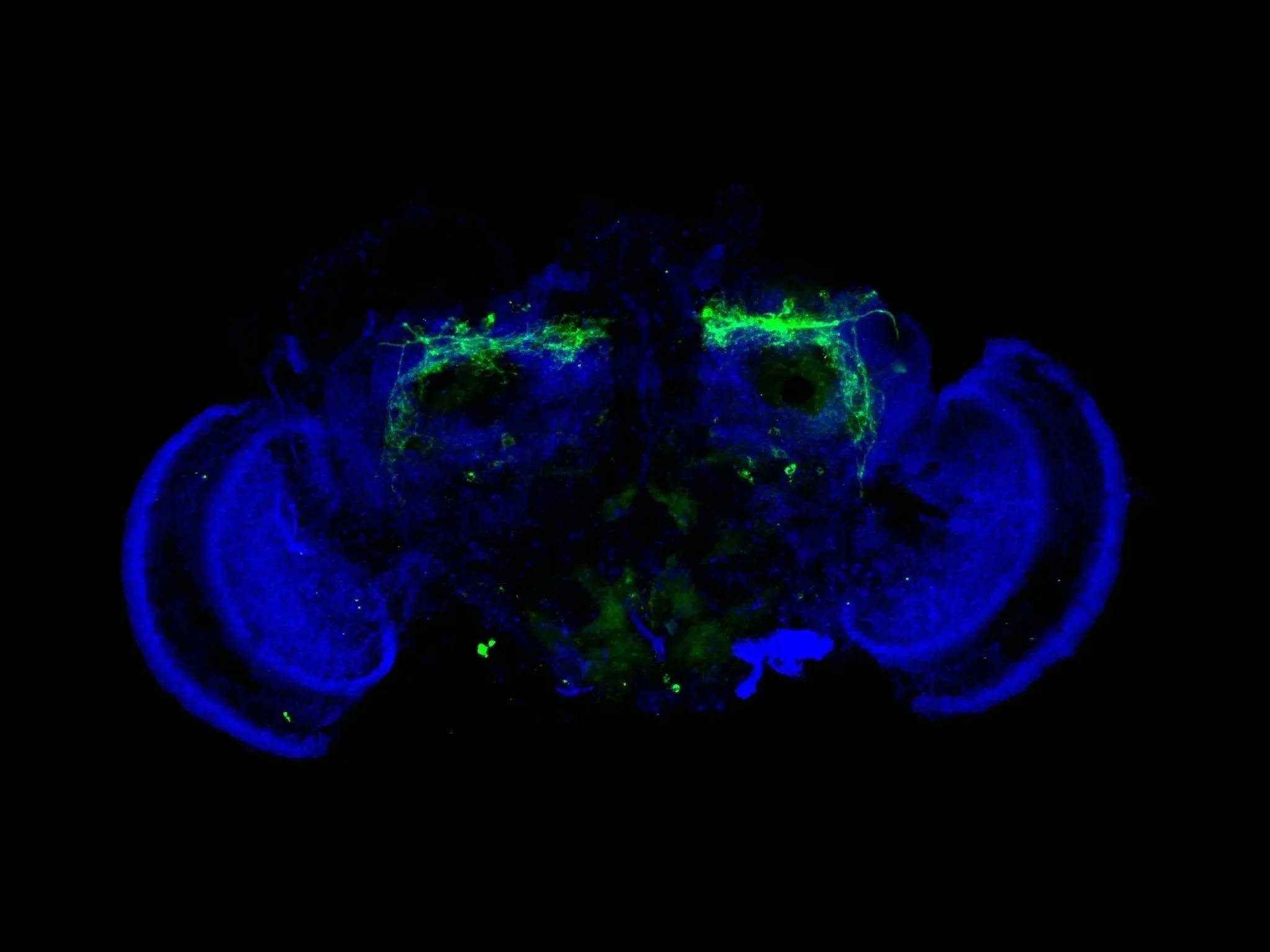
Our research focuses on epigenetic modifications to the genome (collectively known as the epigenome) — a system of chemical tags to DNA and associated proteins, which is a major determinant of gene activity. These modifications are flexible and responsive, helping cells adapt, but they can also become disrupted, leading to disease. Importantly, epigenetic modifications can also be readily re-written through experimental manipulation, providing an ideal target for therapeutic intervention. We are particularly focused on the enzyme Sirt6, which is a major regulator of epigenetic modifications and highly implicated in health and disease.
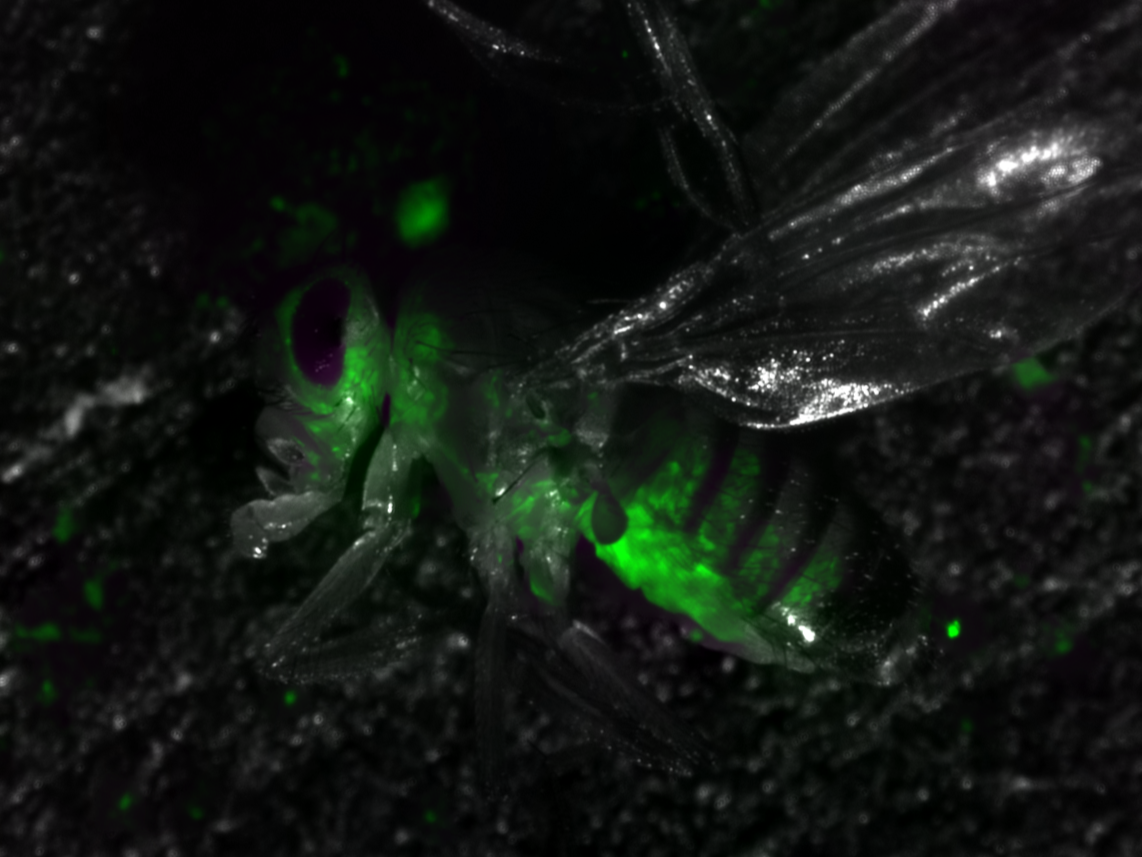
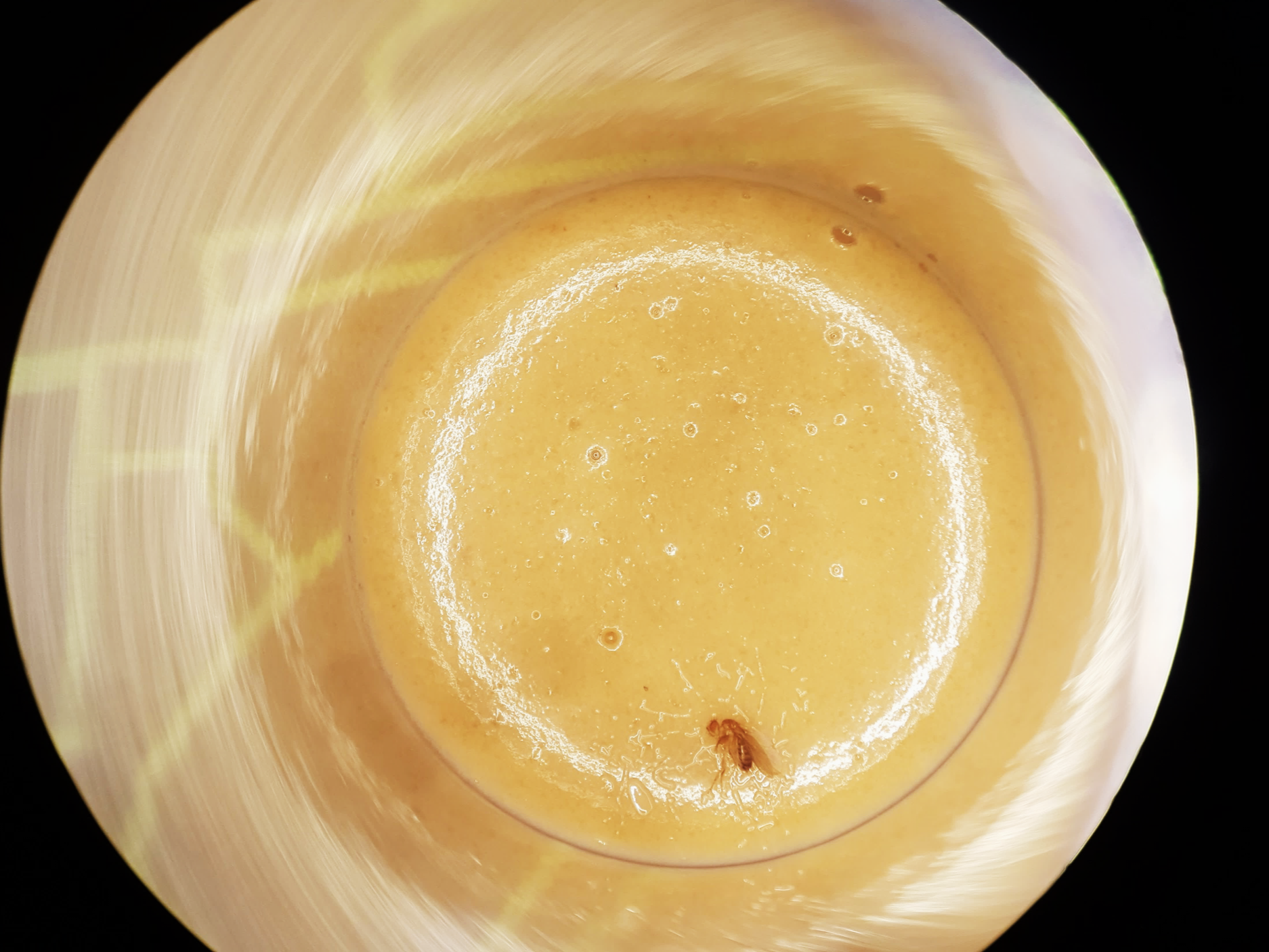
We use fruit flies (Drosophila melanogaster) to as a primary model system because they can be easily genetically modified, with tens of thousands of genetically modified strains already available, and have a short generation time (10 days, with an average lifespan of ~50 days in the lab), thus providing a powerful system in which to rapidly study gene regulation and disease across the whole lifespan. In addition, Drosophila have similar versions of many human genes, and thus Drosophila research offers excellent translatability to human health. Our research incorporates many approaches, including next-generation sequencing and bioinformatic analysis, genetic engineering, and population longevity experiments.
Our ultimate aim is to uncover basic biological principles and therapeutic targets that may guide new approaches to improving human health.
(Learn more about our research)
Affiliations and Support
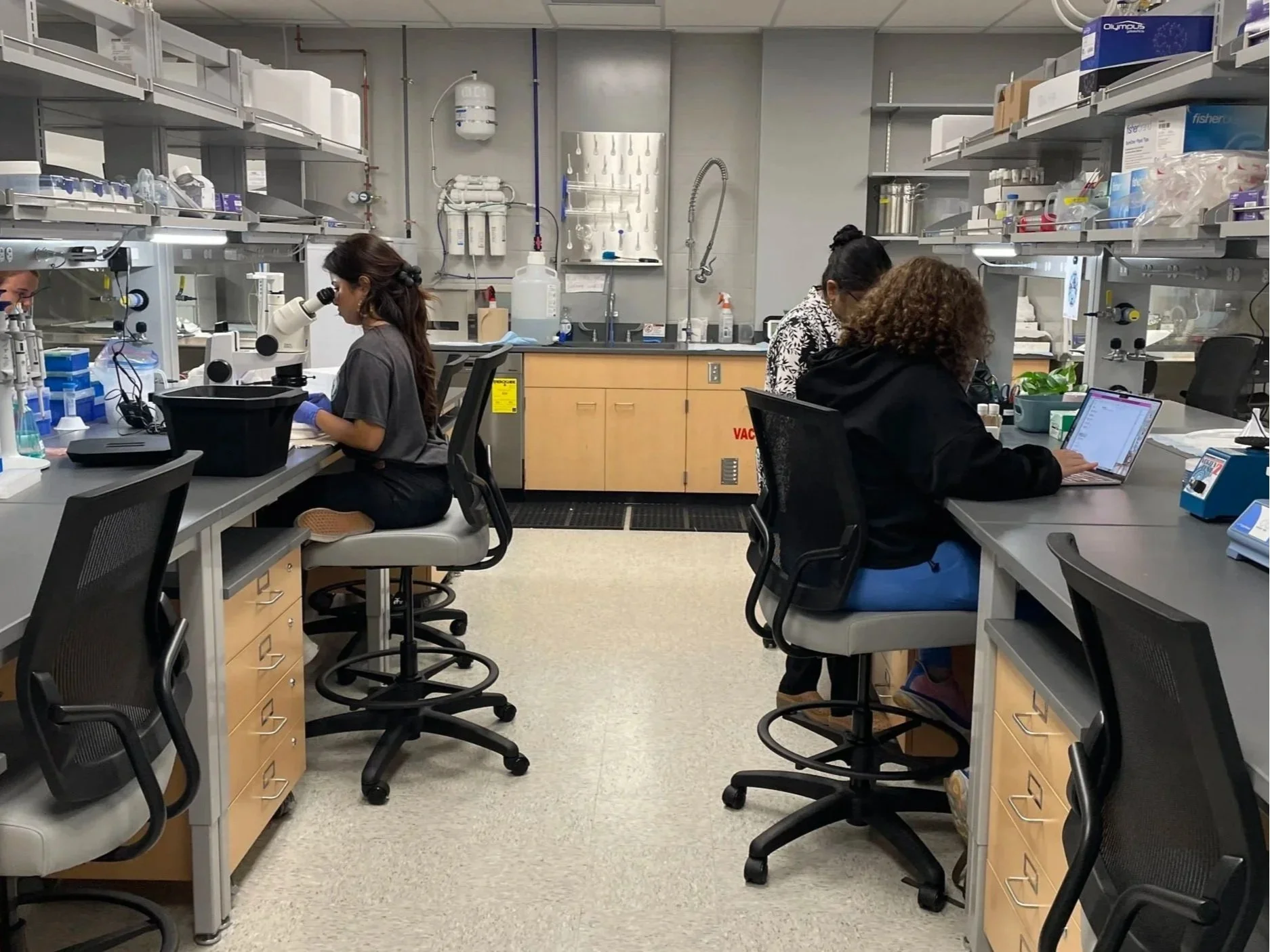
The Taylor Lab is part of the Department of Biological, Geological, and Environmental Sciences (BGES), and the Center for Gene Regulation and Health and Disease (GRHD), at Cleveland State University in Cleveland Ohio.
Our current funding comes from Cleveland State University Startup Funds and The National Institute on Aging (R00AG057812)